
Each method of drying products such as fruits, vegetables, meat, fish, medicinal herbs, powder solutions, etc., has a different principle or method of heat transfer. Each heat transfer method has its own advantages, disadvantages, and suitable applications. In this content, we will explore the methods of heat transfer to products in freeze dryers, hot air drying, and cold drying to see the differences between them.

Temperature is a crucial factor in drying methods because it directly affects the rate of water evaporation from the product. Whether it’s sub-zero temperatures, low temperatures, or high temperatures, each has a suitable effect. Each type of dryer will have a different heat transfer method, depending on the drying principle.
Common drying methods currently in use include hot drying (using multi-purpose dryers), cold drying, freeze-drying, and vacuum drying, all of which require heat to dry the product. With hot and cold drying, air is continuously circulated within the machine to transfer heat and continuously dry the product surface. Therefore, in the image above, you will see rows of small holes on both sides of the machine; these are the openings for hot air to transfer heat to the product. Similarly, convection drying uses circulating air to transfer heat to the product, and the drying trays are usually perforated sheets, mesh trays, or trays with good ventilation.

For freeze dryers and vacuum dryers, the drying chamber is almost completely vacuumed, meaning there is no air inside. Therefore, the heat transfer method must be different from hot or cold drying. Mactech’s freeze dryers currently primarily use a refrigerant-based heat transfer system for maximum efficiency. Cold heat is transferred from the main cooling coil to the tray support, then to the drying trays and the product. This is the freezing stage, bringing the product to -30°C. During the drying stage, the sublimation of the ice in the product, the product temperature must gradually increase from the freezing point to +30°C or higher. At that point, the refrigerant-based heat transfer system will transfer hot heat from the electric resistance heater to the drying trays and the product.
Contact heat transfer is the best and most efficient method of heat transfer in a vacuum environment; therefore, customers will find the drying trays of this equipment to be relatively complex and detailed. The drying trays containing the product for freeze-drying are always flat, 1-2mm thick, and made of a single sheet. Importantly, they must always be perfectly flat to maximize the contact area with the tray support and ensure the fastest heat transfer.
With the above basic information, readers have gained a better understanding of the current heat transfer methods used in various types of dryers. For more advice on product drying and suitable dryers, please contact Mactech for detailed information. Thank you for reading this information.
Most viewed content
 High Temperature dryer Controller, temp 35 – 300oC, many drying stages
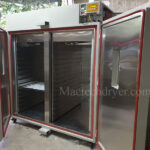 Mactech industrial dryer, high drying temperature of 100 to 300 degrees
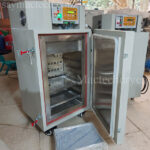 250 degree celsius dryer, drying temperature range of 35 ~ 250 degree
 Freeze drying pressure parameter, how much is suitable for good result
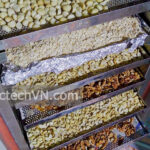 Drying to preserve and drying to eat, how to distinguish
 Household banana dryer, suitable for drying many type of fruits, vegetable
 Beenuts – Danang nutritional cereal, uses many Mactech dryers
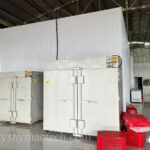 Industrial macca nut dryer, drying for preserve and instant
 The crispy fruit dryer, you understand crispy drying and soft drying yet?
 MSD1000-200 industrial dryer, high temperature 35 ~ 200 degree celsius