
How do you need to produce dried bananas? Whether you want whole chewy bananas, crispy fried bananas, or crispy dried bananas, each product corresponds to a specific production method. Many people are confused between crispy frying and crispy drying, so Mactech will provide a general analysis to help readers understand how these products are manufactured.

Ripe bananas, like other ripe fruits, are generally very high in sugar, sweet, have a soft, mushy texture, are watery, and low in fiber. Therefore, drying them produces two distinct products: chewy dried bananas and crispy dried bananas. Each type of dried product requires a different drying method and a specific drying machine; no single machine can produce both chewy and crispy results simultaneously. Therefore, customers need to carefully research the product they need to dry, choose their target market, and select their customer base to set specific goals for purchasing a drying machine. Crispy dried bananas, crispy fried bananas, or chewy dried bananas require completely different methods.
Fried bananas are a very common product on the market. Crispy fried bananas and jackfruit are very cheap because the preparation is easy, production is quick, and specialized vacuum frying machines for crispy bananas, jackfruit, and sweet potatoes are used. However, the fruit is fried in oil at high temperatures, so the product loses color, nutrients, and sweetness, and may undergo chemical changes in a high-temperature environment. With this method, we should call it crispy fried bananas, not truly crispy dried bananas.
Dried bananas are the next product, whether whole dried bananas or thinly sliced dried bananas. This product requires drying at high temperatures of 50-80°C in a domestic dryer, a versatile hot air dryer suitable for many types of products. Ripe bananas dried at high temperatures create the golden, glossy layer of molasses that adheres to the surface. Similar dried fruit products such as dried dragon fruit, dried pineapple, dried mango, dried apples, dried orange slices, dried lemons, etc., require drying at low temperatures to preserve their natural color and prevent the sugars in the fruit from caramelizing. Therefore, using a specialized fruit dryer will ensure the high quality of the product.

Crispy dried bananas, truly dried, will look like the picture above, retaining the natural white color of the banana, unchanged size, no shrinkage, original flavor, sweetness, and nutritional value. However, the texture of the dried bananas is a fine powder; a light squeeze with your hands will make them crispy and powdery, making them ideal for high-quality fruit powders. This drying method uses a freeze dryer, drying the product at a very low temperature of -30°C in a vacuum-pressure chamber. Unlike conventional drying, the principle of sublimation of ice ensures that bananas, jackfruit, durian, dragon fruit, watermelon, tomatoes, or any other product will retain their natural shape and color.

In summary, the above information has helped readers understand the methods of drying bananas, including the production of high-quality crispy dried bananas. Customers are encouraged to contact Mactech for further advice. Thank you for reading this information.
Most viewed content
 Highland Rhum cordyceps mushroom, refer to small facility
 Nhung Van turmeric starch, cold dried for a more premium product
 Medical instrument dryer, suitable equipment for drying and sterilization
 Stainless steel food dryer, customers can order upon request
 NAM PHUONG NP COMPANY, produce lotus leaf tea, herbal tea
 MST30GD Freeze Drying Machine, suitable for drying about 3kg
 Rose dryer is suitable for small and medium scale production.
 Drying machine for fried dough stick, dry crispy, delicious
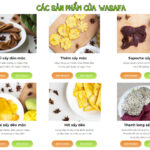 Wasafa dried fruits, produced from Mactech dryers, please refer
 100 degree celsius component dryer, suitable for drying common product